TOOLS TO CULTIVATE
Community
and Experiencing Sadness

DIG IN
Community & Experiencing Sadness
What are the components of a community?
How do our communities shape us?
View and discuss the video to explore how our communities are important to our personal journeys.
1.
Reflect
Take a few minutes to self-reflect on the video and questions
2.
Share
In groups of two or three, have a conversation about your reflection
3.
Discuss
Share your takeaways with the larger group
Reflection Questions
What communities are you a part of?
Take a moment to be curious about the biases you may hold… can you bring them to mind without judgement or justification?
Have you ever experienced community-wide sadness? What tools can you use to process this sadness?
Does your school intentionally build community? Any ideas on how to make your school community stronger?
Discuss Strengths in our Diverse Communities to Navigate Times of Sadness
How do differences and unique experiences allow us to embrace challenges and tragedies in our community together?
CULTIVATE
What is our school culture around Community and Sadness?
Resources
Which resources resonate with you? Which would be good guides for your peers?
The Power of Sadness in Inside Out
Braincraft describes the science behind the message in the film Inside Out, exploring why sadness is important to embrace, even when it is not the most comfortable feeling.
Implicit Bias: Peanut Butter, Jelly, & Racism
What is implicit bias? NYT/POV's Saleem Reshamwala unscrews the lid on the unfair effects of our subconscious.
Conscious vs. Subconscious Thinking
Our brains operate at conscious and subconscious levels. This helps us to save precious brain energy and is how our attitudes, habits and memories form. This animation demonstrates how more conscious thinking can benefit us.
Systemic Racism Explained
Systemic racism affects every area of life in the US. From incarceration rates to predatory loans, and trying to solve these problems requires changes in major parts of our system. Here's a closer look at what systemic racism is, and how we can solve it.
A Powerful Lesson About Privilege
A short film about how one professor taught his class a powerful lesson about privilege.
The Real Secret to Fighting Peer Pressure
The advice "Just Say No" may not always work, but knowing the psychology behind peer pressure can help you maintain control when you’re experiencing it.
Tools
Which tools would be useful to your school's students, parents, and staff? Take a note!
BRANCH OUT
How can we create a healthier Community at our school?
Activities
Branching Out refers to the ways in which your REDgen chapter can reach beyond your group and throughout your school community.
Reflect on your notes from the resources, tools, and signposts above. What topics would be especially valuable to share in your school community? How do they relate to your chapter's unique mission and vision?
Create a plan to implement an event, promote messaging, or otherwise spread this month's theme in your school. Use the following cards as jumping off points.

Lunchtime Outreach
Are there some students at your school who have trouble finding somewhere to sit at lunch? Create more inclusivity in your school’s culture by designating a REDgen table in your cafeteria, a place safe for everyone to come and find friends at lunch. Have one or several REDgen members seated here each lunch period, eager to chat with anyone who wants to join. Invite friends who may not be a part of REDgen to join you here and enjoy building relationships with new people!

Passing Period Music
Talk to your administration about getting music played between classes, during lunch, or before/after school. Get a REDgen playlist together (or use ours!) and play songs based off of the monthly themes. Use Instagram polls to have your school vote on which songs to play. The possibilities are endless.

Stress Relief
Offer services for your school’s students to get some much needed stress relief, like sponsoring therapy dogs to walk through the building during exam week, organizing nature walks at a local park or nature preserve, or partnering with other clubs. For example, make crepes with the French Club, co-sponsor a 5k with your cross country team, or plan a movie night with the Film Club, and offer these opportunities to the whole school.

Staff Training
Part of the REDgen mission is to change school culture. One of the best ways to do this is to speak with staff (teachers, counselors, administration) directly and let them know how they can incorporate more REDgen principles in their interactions with students. Bring your group to a staff meeting and give a presentation on what REDgen is trying to accomplish and give some ideas on how they can participate. Become a part of everyday conversation for the adults in your building.

Video Sharing
Do you have any tech-savvy group members or a video class at your school willing to help record and edit some REDgen videos? Get your group together and record videos about the monthly themes, difficult situations and how to best react to them, tips for becoming more resilient, mindfulness sessions, and more. Share these videos with teachers to play for their classes, send them out in emails to your whole school, or get them in the parent newsletter on a regular basis.

In The News
Does your school have a newspaper? Take out an “ad” every issue and get out the monthly themes, meeting/event dates, quotes, advice, or other REDgen related information. Or, get a reporter to write an article about your group! You can also contact your local newspaper and get an article published for your whole community to see.

Daily Announcements
Get your REDgen group on the daily announcements. Share quotes, lessons from REDgen meetings, give advice, and more! It is also a great place to announce meetings and events your group is hosting. Try to stay consistent, showing up at regular intervals, and become a normal part of school culture.

On The Field
Join your school’s sports culture by including REDgen spirit days as a part of sports traditions. For example, have students wear red for a day of homecoming week. At the announcements before a sporting event, have a REDgen member make an appearance to share about the group’s work and how it relates to all areas in students’ lives, from the classroom to the field. Talk to your athletic director about meeting with all the sports coaches and integrating REDgen lessons into practices and games.

Community Posters
Get the word out about REDgen with visual reminders all over the building and across your community. Share meeting and event dates, stress tips, information related to the monthly themes, inspiring quotes, or thought provoking questions. Use free services like Canva to make creating these flyers super simple. Once you’re done, put them up around school and in local coffee shops or other community areas.

Social Media
Use your group’s REDgen Instagram account to engage your school’s students. Organize giveaways of REDgen merch (sweatshirts, water bottles, etc.), create a Stories campaign, put out polls, post about meeting/event dates, and post about Roots of Resilience. There is so much potential to be both informative and engaging while also growing your group’s reach.
Give Back
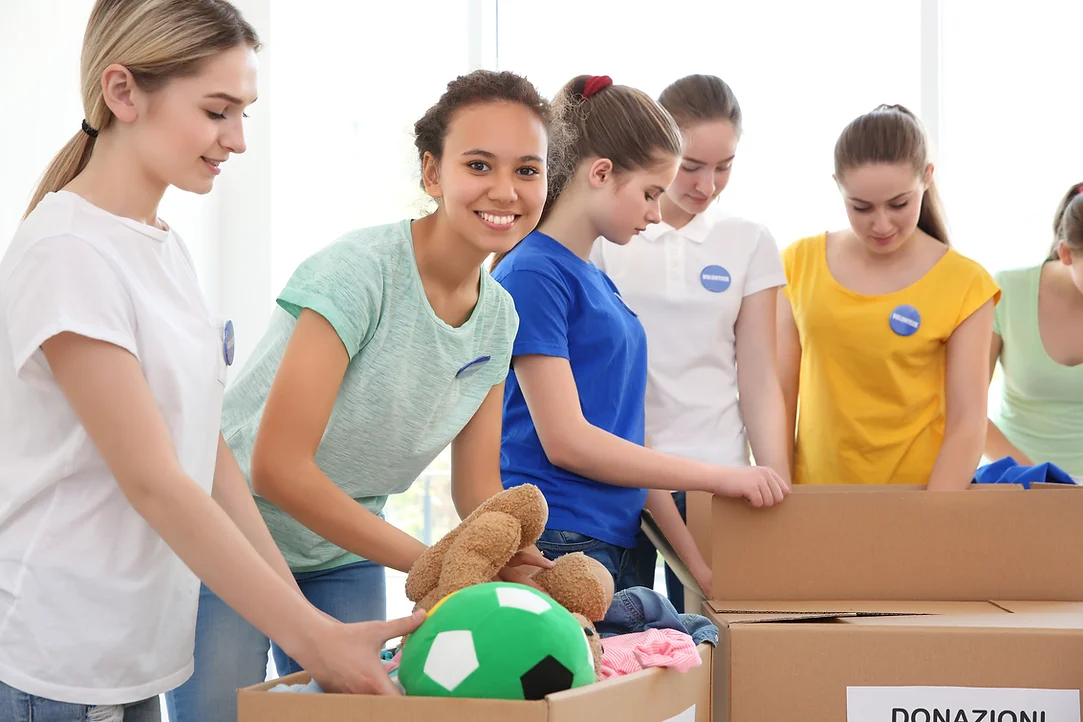
Finding purpose in the communities we are a part of is a component of Roots of Resilience. Organize your group for the benefit of your community by starting a service project, visiting a home for the elderly, or volunteering with another group at work in your area (such as a nature preserve, animal shelter, or food pantry). This is a great way to practice the components of REDgen beyond the walls of your school building!
Bringing It Home
Many schools send frequent parent newsletters with updates on what is happening in the building. Put together some materials to send home to parents about REDgen and why it is so important, like videos or infographics. Keep a regular section on the newsletter to be consistent with your messaging. Invite parents to your group’s events and encourage them to learn more about REDgen’s mission and incorporate it at home.

SIGNPOSTS
Do you find yourself sitting alone at lunch, assemblies, or in class?
Do you feel alone even when you are around other people?
Do you feel rejected by people within your community?
Do you prefer only online conversations to in person relationships?
Do you feel like you can't be yourself around your peers?
Are you a victim of belittlement or bullying or do you find yourself looking for status by putting others down?
If you answered “yes” to one or more of the questions above,
remember and consider:
1. You are not alone!
There are many teens in your community that are also struggling or going through a difficult time, whether or not you know that they are in a similar position to you.
2. Your problems and feelings are valid and important.
No matter how big or small your problems and feelings seem to you or others, know that they are valid and important.
3. Help is out there!
Many teens have found it helpful to open up to a supportive figure, like a family member, friend, teacher, school counselor, school psychologist, therapist, coach, etc.
4. Please reach out to someone if you are having a difficult time.
Try talking to someone you trust already or who seems trustworthy.
If you are not comfortable talking to anyone around you, call/text a helpline where you can connect to support 24/7.
Always remember: You are important to many other people – more than you may know.